

No products in the cart.
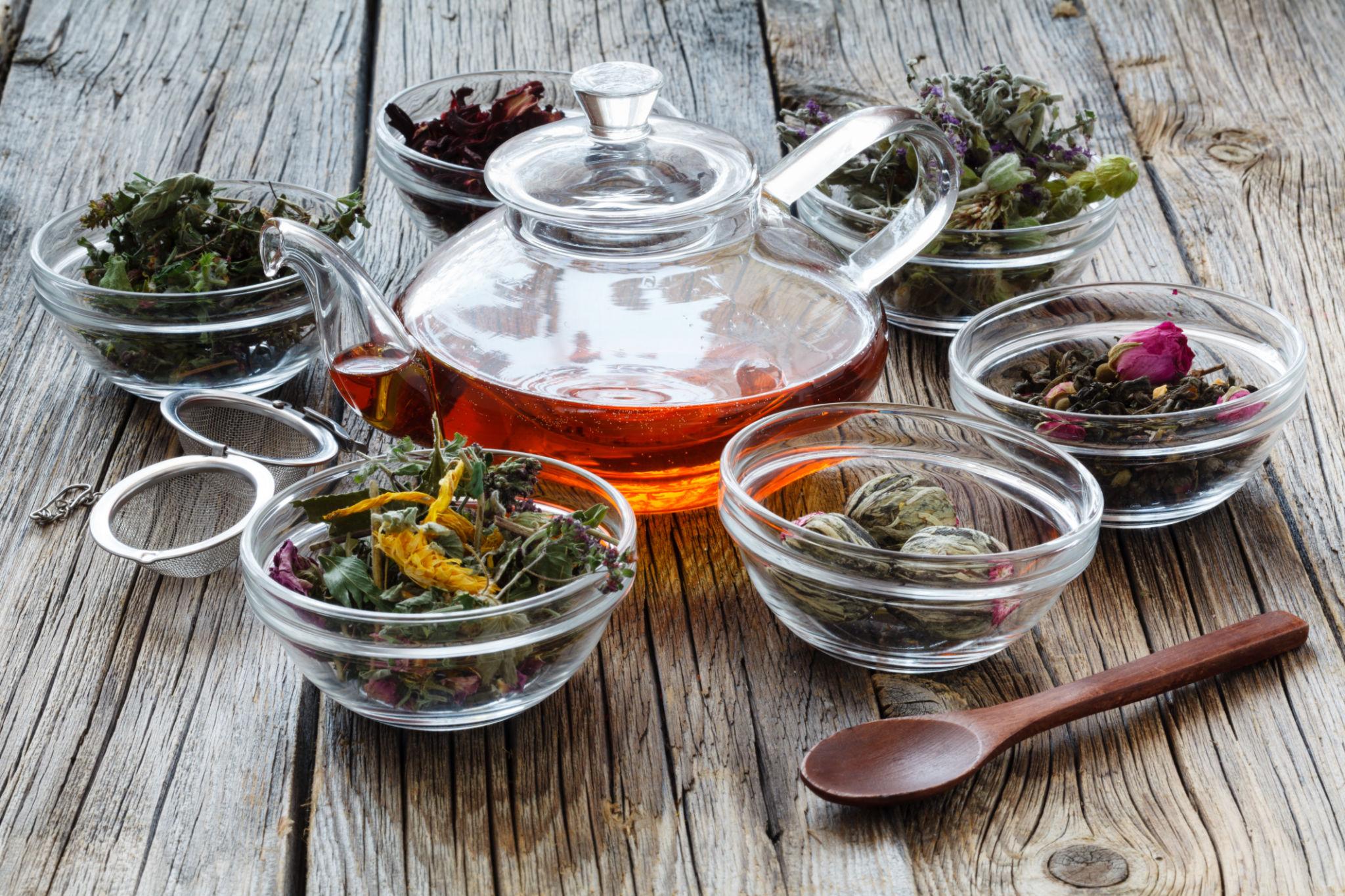
 Making your own herbal teas is a wonderful way to enjoy the aromas, flavors, and traditional wellness uses of herbs. You can grow many tea herbs at home, harvest them fresh, or dry them for year-round use.
Herbal teas are also called herbal infusions or tisanes. Although some herbs have been studied for health benefits, traditional use does not always mean a remedy has been proven effective. The best approach is to start with a few familiar herbs and learn how to prepare them safely.
1. Choose your herbs and their traditional uses
Chamomile
Flavor: Floral, mild, apple-like
Traditionally used to promote relaxation and support a calming bedtime routine. Evidence for specific benefits varies.
Best preparation: Steep dried flowers in hot water for 5–10 minutes.
Peppermint
Flavor: Cool, refreshing, minty
Often enjoyed after meals. Peppermint may help with some digestive symptoms, although evidence for peppermint tea specifically is limited.
Best preparation: Steep fresh or dried leaves for 5–10 minutes. It may worsen acid reflux.
Ginger
Flavor: Warm, spicy
Ginger has evidence of benefit for certain types of nausea and is commonly used in warming drinks.
Best preparation: Gently simmer 3–5 thin slices of fresh ginger in 1–2 cups of water for 5–10 minutes.
Lemon balm
Flavor: Light lemon, gently herbal
Traditionally used for relaxation and occasional restlessness. Research on its effects is still developing.
Best preparation: Steep fresh or dried leaves for 5–10 minutes.
Rose hips
Flavor: Fruity, tangy
A traditional fruit-based herbal tea that can provide vitamin C, although the amount retained in the tea varies with preparation.
Best preparation: Use cleaned, dried rose hips; simmer gently for 10–15 minutes and strain thoroughly.
2. Learn the two basic ways to prepare herbal tea
Method 1: Infusion — leaves and flowers
Use for chamomile, peppermint, lemon balm, and many other delicate herbs.
Add 1–2 teaspoons of dried herb to a cup.
Pour 8 ounces of freshly boiled water over the herb.
Cover and steep for 5–10 minutes.
Strain and serve.
Method 2: Decoction — roots and tougher plant parts
Use for ingredients such as ginger root and rose hips.
Add the prepared herb to a small saucepan of water.
Bring to a gentle boil.
Reduce the heat and simmer for 10–20 minutes, depending on the ingredient.
Strain before drinking.
Roots, bark, and berries may need simmering to extract their components effectively.
Consumer
3. Try these homemade herbal tea recipes
These recipes are intended as flavorful, beginner-friendly drinks rather than treatments for disease.
Recipe 1: Evening Relaxation Tea
Makes 1 cup · Floral and lemony
Ingredients
1 teaspoon dried chamomile flowers
1 teaspoon dried lemon balm
8 ounces hot water
Optional: a little honey
Directions: Combine the herbs, pour hot water over them, cover, and steep for 5–10 minutes. Strain and enjoy warm.
Recipe 2: Ginger and Lemon Tea
Makes 1 cup · Warming and citrusy
Ingredients
3–5 thin slices fresh ginger
1–2 teaspoons fresh lemon juice
8–10 ounces water
Optional: honey
Directions: Simmer the ginger in water for 5–10 minutes. Remove from heat, add lemon juice, strain if desired, and sweeten to taste.
Recipe 3: After-Meal Mint Tea
Makes 1 cup · Fresh and minty
Ingredients
1 tablespoon fresh peppermint leaves, lightly crushed, or 1 teaspoon dried leaves
8 ounces hot water
Optional: a slice of lemon
Directions: Pour hot water over the mint, cover, steep for 5–10 minutes, then strain.
4. How to grow, harvest, and dry herbs for tea8
Grow or source the right plants. Choose correctly identified, edible culinary herbs from a reputable nursery or supplier.
Harvest carefully. Pick healthy leaves and flowers on a dry day after the dew has evaporated. Avoid roadsides and plants exposed to pesticides or animal waste.
Clean the harvest. Remove dirt, insects, and damaged plant material. Follow appropriate washing and drying practices for the particular herb.
Dry thoroughly. Spread herbs in a single layer in a clean, shaded, well-ventilated area, or use a suitable dehydrator at a low temperature. Drying time varies with the plant and humidity.
Store correctly. Keep fully dried herbs in clean, airtight containers away from heat, moisture, and direct sunlight. Label each jar with the common name, botanical name, and harvest date.
Check before use. Discard herbs that develop mold, unusual odors, or signs of contamination.
Never eat or brew a wild plant unless you can positively identify the species and confirm that it is safe for consumption.
5. Make your own herbal tea blends
Once you are comfortable preparing single herbs, you can experiment with blends. Start with two ingredients so you can understand each herb’s flavor and how you tolerate it.
Blend | Ingredients | Flavor |
|---|---|---|
Garden Calm | Chamomile + lemon balm | Floral, citrusy |
Fresh Digestive | Peppermint + ginger | Cool, spicy |
Citrus Garden | Lemon balm + dried orange peel | Bright, refreshing |
Fruity Herbal | Rose hips + dried apple | Tart, sweet |
Minty Evening | Peppermint + chamomile | Fresh, gentle |
These are flavor combinations, not proven medicinal formulas. Do not assume that combining herbs makes them more effective or safer.
6. Important safety guidelines
Medicinal herbs can have side effects and interact with medications. Natural does not automatically mean safe.
NCCIH+1
Start with one herb at a time and use modest amounts.
Check medication interactions with your pharmacist or healthcare professional, especially if you take prescription medicines or have a chronic health condition.
Take extra care during pregnancy or breastfeeding. Many herbs have not been adequately studied for safety in these situations.
MotherToBaby+1
Use the correct plant species and plant part. Some plants that look similar are toxic.
Avoid strong medicinal preparations unless you have reliable, herb-specific instructions. Concentrated extracts and essential oils are not equivalent to ordinary tea.
Seek medical care when needed. Herbal tea should not replace prescribed treatment or delay evaluation of persistent or serious symptoms.
For more detailed information about individual herbs, the National Center for Complementary and Integrative Health provides an evidence-based Herbs at a Glance guide.
NCCIH
7. Create your own medicinal tea collection
If you want to make herbal teas regularly, begin with five basics:
Chamomile flowers
Peppermint leaves
Lemon balm leaves
Fresh ginger root
Rose hips
You will have ingredients for floral, minty, citrusy, warming, and fruity teas, along with a starting point for learning traditional herbal preparations.
A useful next step: Choose what you would most like your tea collection to focus on—relaxation, digestion, seasonal comfort, or general everyday wellness—and build your recipes around that goal.
Captivating scent suggestions